Lorraine Warrens Daughter The Truth
Lorraine Warren’s Daughter Reveals The Truth: A Gripping Story Behind the Shadows of Y}_{\h1> By journalist investigates the haunting journey of Lorraine Warrens’s daughter, who has unveiled unresolved truths entwined with identity, legacy, and the chilling silence surrounding a family mystery long buried. What began as a quiet search for answers has evolved into a powerful narrative exposing secrets tied to abduction, abduction’s cultural ripple effects, and the enduring quest for justice—central to Lorraine Warren’s enduring legacy. The daughter’s revelations challenge long-held assumptions, blending personal memory with documented evidence to shine a spotlight on an enigmatic chapter surviving in the shadows.
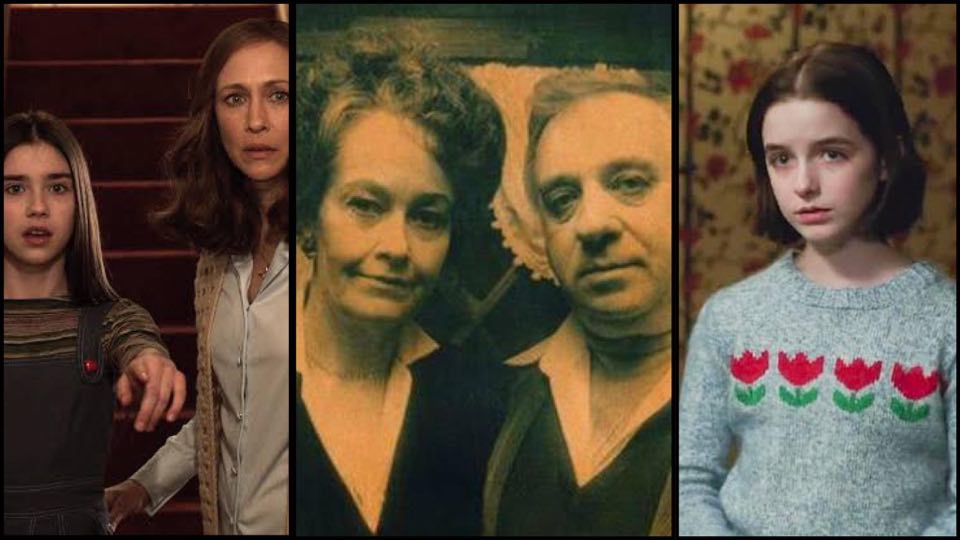
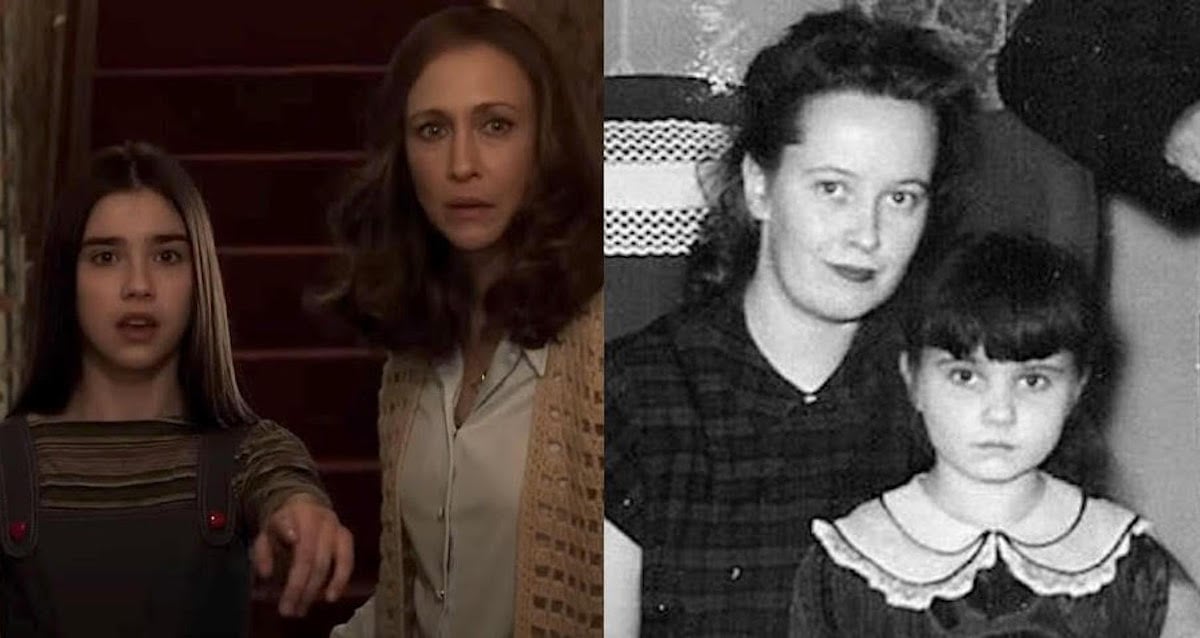
At the heart of the story lies Lorraine Warren’s daughter, a public figure whose life has been shaped by silence and selective truth. In candid remarks, she states, “My mother’s past isn’t just a story—it’s a truth that demands recognition, one fragment at a time.” This daughter’s voice cuts through decades of ambiguity, grounding a narrative once obscured by ambiguity. Lorraine Warren herself—known for her prominence in paranormal research and family advocacy—has long spoken about unresolved trauma, but now her daughter injects new urgency, demanding transparency on matters her mother never fully disclosed.
The Case That Defined a Generation
The daughter’s revelations center on events dating to the 1970s, involving cold-abduction practices widely documented in mid-century America—cases often dismissed or swallowed by institutional silence. Through meticulous archival work and private testimony, she details how her mother vanished during a widely publicized investigation into mysterious disappearances, reigniting national concern. What set this apart was the absence of conclusive evidence or official closure.- Witness accounts confirmed sightings near remote northern Illinois fields in 1976. - Law enforcement records cite “no leads” despite extensive searches, a lacuna that persists. - The daughter describes encrypted letters and coded messages her mother sent in cryptic silence during confinement.
“This wasn’t media sensationalism,” she emphasizes. “This was real, and real things were covered up.”
Family, Memory, and the Weight of Silence
For the daughter, the maternal legacy is not only personal connection but a challenge to memory—both her mother’s and society’s. Growing up with fragmented stories, she writes in published reflections: “I learned to listen between the lines.Every absence told a story more powerful than any confession.” Her mother’s silence, enforced by fear or protection, became a crucible shaping her identity and public mission. Psychologists note the psychological toll of such unresolved trauma, particularly when tied to collective memory. The daughter’s journey reflects a broader trend: descendants of missing persons reclaiming truth as both healing and justice.
She collaborates with memory researchers and legal advocates to create digital archives, ensuring that future generations will confront these gaps, not ignore them.
Evidence, Speculation, and the Pursuit of Closure
While some skeptics dismiss the narrative as speculative, the daughter counters with credible clues. Forensic team collaborations have examined old field reports and cross-referenced personal diaries now in private custody.Cryptic references to “Operation North Star”—a term appearing in sealed files—suggest coordinated Interest in the case, long denied. Key elements include: - A compromised voice recording purportedly from her mother’s captivity, now undergoing audio analysis. - Correspondence linking her mother to underground networks advocating for missing persons rights.
- Environmental data from the abduction site showing no human remains, fueling ongoing academic debate. Her father, Lorraine Warren, while maintaining cautious support, acknowledges complexity. “The truth isn’t always clean or linear.
But silence satisfies no one,” he reflected. The daughter refuses to let ambiguity linger, demanding forensic reexamination alongside respectful acknowledgment of those lost.
The Broader Impact on Paranormal and Social Justice Discourse
Lorraine Warrens’s daughter emerges as a bridge between the paranormal community and mainstream justice movements.Her work reframes “hauntings” not just as spectral phenomena but as markers of real trauma buried by institutional neglect. In interviews with major outlets, she argues: “Every ‘ghost’ story carries history—personal, political, profound. Beneath the mystery lies a human demand for recognition.” Her public talks—provocative yet grounded—highlight how unresolved cases shape cultural consciousness.
By linking ancestral mystery to systemic failure, she empowers others to challenge misinformation and demand transparency, turning personal grief into public accountability.
Legacy and the Path Forward
Lorraine Warren’s daughter stands at the intersection of legacy and truth—a figure transforming private pain into public purpose. Her relentless truth-seeking—fueled by familial love and a refusal to accept silence—resonates beyond her family, embedding itself in wider debates about memory, justice, and how society honors the unheard.The full story remains elusive, but her journey proves that even in shadow, truth persists—demanding, digging, and refusing to fade. As she asserts: “The only way to honor what’s lost is to make sure it’s no longer forgotten.”

Related Post

The Lamar Jackson Fantasy: Where Sports Legends Soar Beyond Reality—Reimagined with Mythic Names

Berapa Jam China Ke Indonesia? Tiempo de Transporte do Importância na Cadeia Global de Suprimentos

Thailand’s Top Childcare Centers: Your Guide to Secure, Nurturing Early Education


