Knoxville’s Cross-State Journey: Tracing the Path from Knoxville, TN to Cherokee, NC
Knoxville’s Cross-State Journey: Tracing the Path from Knoxville, TN to Cherokee, NC
From the vibrant cultural corridors of Knoxville, Tennessee, to the lush, mist-kissed hills of Cherokee, North Carolina—just 150 miles south—lies a route steeped in history, economic ties, and growing mobility. This invisible corridor reflects a quiet but meaningful transformation: a modern-day bridge between two regional identities, where travel, commerce, and personal connections weave through shared landscapes and divergent futures. The Knoxville to Cherokee corridor exemplifies the interconnectedness of the broader Appalachian region, serving as both a travel artery and a symbol of economic integration between East Tennessee and Western North Carolina.
Though separated by mountain ridges and state lines, Knoxville’s central position makes it a natural gateway for residents, businesses, and tourists navigating between the Southeast’s urban and rural economies.
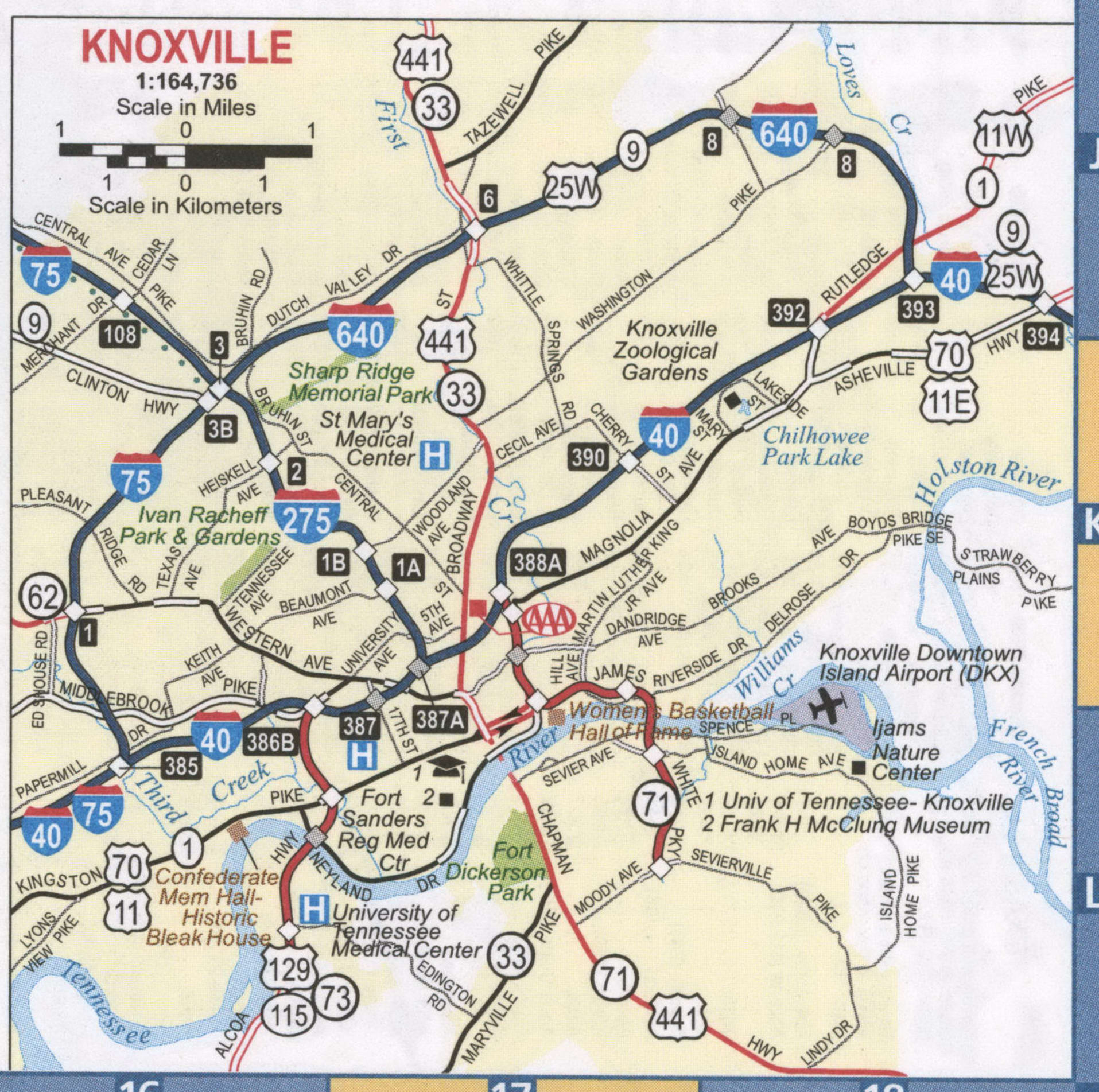
The physical journey between Knoxville and Cherokee spans approximately 140 to 170 miles, depending on the route selected—typically following Interstate 40, U.S. Route 74, or State Route 320 through jornada through Sevier County and into Graham and Swain Counties.
Interstate 40, the primary expressway linking these cities, acts not only as a transportation corridor but as a lifeline for regional trade, workforce mobility, and cultural exchange. Travel time averages 2 to 2.5 hours, making daily commutes, weekend visits, and logistical operations seamless and efficient.
Historical Context and Regional Identity Knoxville, founded in 1791, has long served as a commercial and cultural hub for Eastern Tennessee—boasting universities, medical centers, and a dynamic arts scene. Cherokee, meanwhile, rooted in Cherokee Nation heritage and scenic beauty, encompasses the federally recognized Eastern Band of Cherokee Indians reservation, one of the few remaining sovereign Native American jurisdictions in the southeastern U.S.
Though distinct in governance, history, and demographics, the two cities share a reverence for Appalachian traditions, outdoor recreation, and intertribal resilience. >The contrast is striking: Knoxville thrives as a university town and tech-forward city with over 190,000 residents, while Cherokee preserves a slower, heritage-rich pace tied to ancestral lands, language revival, and sustainable tourism. Yet both anchor broader economic rhythms—Knoxville’s diversified industries feeding into regional supply chains, Cherokee’s tribal enterprises and tourism sector contributing to local prosperity.
Economic Interdependence The corridor functions as a vital artery for labor and commerce.
Many households span both cities: professionals commute between Knoxville’s expanding job market—particularly in healthcare, education, and advanced manufacturing—and Cherokee’s tribal government, healthcare facilities, retail hubs, and growing tech startups. Small businesses, especially among artisans, food producers, and outdoor gear sellers, rely on cross-border foot traffic fueled by weekend tourism and cultural events. Key Economic Drivers: - Tourism & Recreation: The proximity to the Great Smoky Mountains National Park, one of America’s most visited national parks, amplifies visitation.
Knoxville’s factoring as a gateway fuels demand for lodging, dining, and outdoor excursions in Cherokee and surrounding areas. - Healthcare Networks: Northwest Regional Health in Knoxville coordinates with Cherokee’s Clay Million Health Center, creating integrated care pathways and shared medical resources across the border. - Retail & E-Commerce: While both cities host standalone shopping centers, residents and visitors frequently cross to access broader pricing, niche products, and specialized services unavailable locally.
Transportation Infrastructure & Accessibility U.S. Route 74 carves a scenic yet functional path through the corridor, linking Knoxville’s grid to Cherokee’s village-like center and beyond to Fantown and Waynesville. The mountain terrain shapes travel dynamics—curvy roads, elevation shifts, and seasonal weather impacts visibility and road conditions.
Despite challenges, transportation reliability remains high, supported by state maintenance programs and real-time traffic monitoring. >The emergence of ride-sharing and improved public transit options, though limited, continues to enhance mobility. For Indigenous communities, Knoxville’s regional medical and legal services remain critical touchpoints, accessible via the corridor despite geographic separation.
Demographic and Cultural Interactions The “Knoxville to Cherokee” corridor enables more than travel—it fosters identity fusion. Families split across both locales participate in shared cultural expressions: seasonal festivals like Knoxville’s River arts festival connect with Cherokee’s Feast of the First FEAST, creating cross-community celebrations. Indigenous cultural programs, language workshops, and craft fairs draw participants from both sides, strengthening networks of mutual recognition and respect.
Population & Mobility Trends: Since 2000, the Knoxville-Cherokee corridor has seen incremental growth. Knoxville’s expanding metro area draws new residents seeking affordability and green space, while Cherokee’s tribe maintains strong cultural stewardship and population stability. Census data indicates growing diversity in both cities, with increased employment in professional, educational, and service sectors driven by regional connectivity.
Commuting patterns reflect technological adaptation: remote work enables professionals to live in Knoxville while working for Cherokee-based enterprises, supported by robust fiber internet expansion across rural Swain and Grape Counties. This hybrid model reduces congestion and opens flexible living options without sacrificing access to essential services or cultural vitality.
Environmental & Infrastructure Challenges Despite its strengths, the corridor faces environmental pressures. Mountain watersheds, wildlife corridors, and scenic landscapes demand careful planning.
Infrastructure projects—such as road upgrades and broadband expansion—balance development with preservation, often guided by tribal input and environmental advocacy. Climate resilience, from flood mitigation to wildfire preparedness, requires coordinated efforts across county and tribal jurisdictions.
The journey from Knoxville to Cherokee is more than a highway passage—it is a living testament to regional synergy



Related Post

Unveiling the Truth: The Discord Gift Feature – Real, Verified, or Just Another Myth?
Paul Reubens: Peewee Herman’s Velocity Icon Dies at 70, Ends a Pub Crawl With Legacy That Endures</h2> In a twilight marked by both cinematic memory and untold facets of his life, Paul Reubens, the man behind the slobbery, eccentric, and outspoken Peewee Herman, passed away at 70. Known for redefining childhood rebellion on screen, Reubens’ death closes a chapter in American pop culture, one that blended vulgar humor with heartfelt authenticity. Once a household name from the 1980 hit film, his legacy extends far beyond the red-and-white striped shorts, now inseparable from the character who captured a generation’s cantankerous charm. <p>Born in Baltimore, Maryland, in 1952, Reubens emerged not just as an actor but as a performer unafraid of pushing boundaries. His embodiment of Peewee Herman—a defiant, snarly-haired antihero—blended physical comedy with sharp, streetwise dialogue that struck a chord with audiences hungry for authenticity. The Peewee Herman series, though commercially successful, often overshadowed Reubens’ broader artistic range. Few realize he appeared in Broadway plays, voice acting, and even avant-garde theater, proving his talents extended well beyond children’s television. As *Chicago Sun-Times* noted in its obituary, “Reubens was more than a child star—he was a performer who leveraged innocence into subversion.” <h3>A Career Built on Risk and Voice</h3> Reubens’ early career was defined by bold choices. Before Peewee, he starred in off-Broadway productions such as *The Spook Who Sat by the Door*, where his dramatic range simmered beneath the surface, hinting at complexity beneath the goof. With Peewee Herman, launched in 1985, he abandoned subtlety entirely: “Make them laugh, make them weird, make them remember,” Reubens once said, capturing the essence of his performative philosophy. The character’s signature voice—raspy, gravelly, dripping with sass—became iconic, a vocal signature recognized by millions. <p>The 1980s explosion of Peewee Herman’s films turned Reubens into a curious cultural paradox: a serious actor whose most beloved role was pure absurdity. Yet, in interviews, he insisted his performance was deliberate—a nuanced portrait of teenage defiance. “I didn’t play a cartoon character,” he explained. “I played a version of me—rough around the edges, protective of friends, screwed up, but loyal.” This authenticity resonated in an era increasingly skeptical of artificial corporate branding, making Peewee’s appeal timeless. <h2>Personal Life and Shadows Beyond the Spotlight</h2> Beyond the screen, Reubens navigated a life marked by both acclaim and private complexity. Always a confessed fan of rock ’n’ roll and jazz, his persona extended into music and visual art, though these pursuits rarely entered mainstream discourse. He resided in New York’s Greenwich Village, a neighborhood steeped in artistic tradition, maintaining long-standing friendships with peers across disciplines. <p>Despite the glare of fame, Reubens valued privacy fiercely. The Velvet Crimeoclub — a performance space and cultural hub — served as a sanctuary where he entertained trusted artists and writers. In rare public appearances, he spoke candidly of battling creative stagnation and the weight of typecasting, once remarking, “People remember the mask, not the man.” Such reflections humanized the performer, revealing layers beneath the red-and-white attire. <h3>Leadership, Mentorship, and the Legacy of Peewee</h3> Reubens’ influence reached beyond performance into mentorship. He supported emerging artists through workshops and collaborative projects, particularly those exploring boundary-pushing storytelling. The Peewee Herman Archive, now studied in theater programs, illustrates how he transformed personal quirks into universal themes of identity and belonging. <p>The character became a cultural touchstone, symbolizing youthful rebellion and resilience, but Reubens resisted reducing himself to a symbol. “Herman isn’t me,” he clarified in *Sun-Times* features, “he’s a story I inherited—and a story I continue telling, oddly enough, decades later.” This duality—public icon, private craftsman—defined his enduring presence. <h2>Enduring Impact: Why Peewee Herman Still Slaps the Nerve</h2> Even after the curtain fell, Peewee Herman retains pulse in internet memes, fashion revivals, and genre homages. His snarl, “You ya ridiculous—bury me!” echoes in viral clips and social commentary. Yet Reubens’ true legacy lies not in viral fame but in the authenticity he brought to every role. <p>Critics and fans alike praised his ability to fuse humor with emotional truth. As theater historian Dr. Elena Park observed, “Reubens taught audiences that vulnerability and absurdity coexist. He made slobberness feel sincere.” Whether in a Intervals show, a Broadway curtain call, or a private art session, Paul Reubens remained fundamentally creative—too often typecast, never fully understood. <h1>Paul Reubens, Peewee Herman’s Velocity Icon Dies at 70 — Ends a Velocity Legacy That Never Grew Old

Tim Cowlishaw: Dallas Morning News Bio, Age, and the Genesis of a Media Icon under 40

Nadal’s Grand Slam Count at 22: A Landmark Threshold in Tennis History


